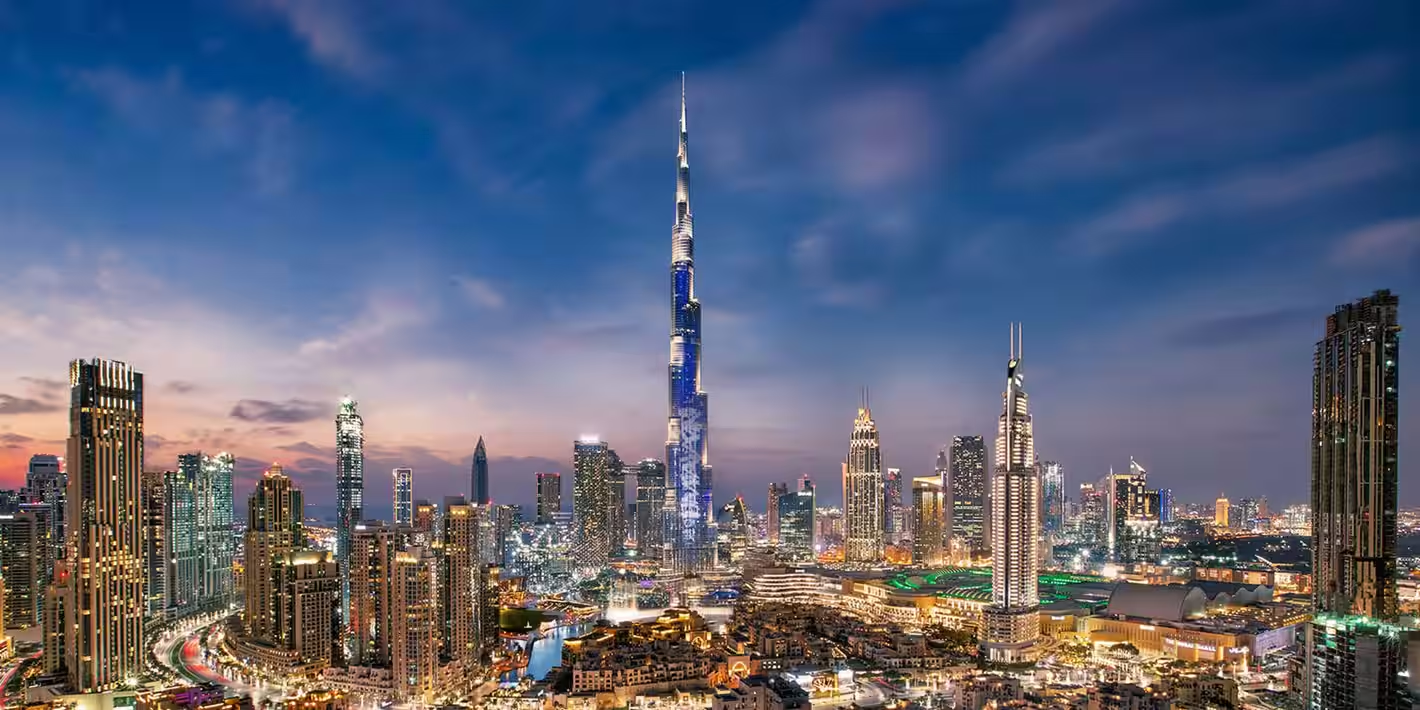
A well-chosen environment can change the way people meet each other. A beautiful space invites attention, calm and curiosity. Conversations unfold more easily when people feel comfortable in the place where they gather. The setting quietly shapes the tone of what becomes possible.
Business events often highlight this effect. A carefully designed location, a thoughtful atmosphere, an inspiring view over a city or landscape. These surroundings signal that ideas matter and that dialogue deserves a place where people can think freely and connect.
The observation that environment shapes conversations is widely recognised.
It also invites a broader reflection.
When organisations choose locations for meetings, investments or partnerships, what exactly defines the environment they select?
Architecture and atmosphere clearly play a role. Accessibility, innovation, talent and opportunity often guide these decisions as well. These elements form the visible layer of a place.
Another layer exists alongside it.
Every location also carries a human environment. The conditions in which people live, work and express themselves shape the deeper character of a place. Rights, freedoms, dignity and opportunity form part of that environment as surely as buildings and infrastructure.
This raises a quiet question.
When we feel inspired by a place, do we also take time to understand the human story surrounding it?
Some destinations attract attention through ambition, growth and impressive development. Their energy can be exciting and their possibilities can spark imagination. Conferences, investments and collaborations gather around that sense of momentum.
At the same time the world increasingly speaks about human rights, labour conditions and civic freedoms in many of those same places.
This creates space for reflection.
How do we think about locations that are fascinating and challenging at the same time? What does it mean to appreciate opportunity while remaining attentive to the human environment that surrounds it?
Which role does awareness play when organisations decide where they meet, collaborate or invest?
These questions do not seek to close conversations. They invite them to deepen.
The environments we choose influence more than the quality of a room or the beauty of a view. They also reflect the values that quietly accompany our decisions.
A place is never only a location. It is a living context shaped by people, stories and the conditions in which those lives unfold.
Recognising that broader environment can enrich the conversations that begin there.
And thoughtful conversations have always been one of the most valuable outcomes any environment can offer.
