In a world where application processes often consist of tightly orchestrated interviews, standardized questions, and algorithm-driven selection tools, it’s easy to forget that behind every resume lies a person. A story. A character. A potential.
We search for the perfect candidate with the right qualifications, competencies, and experience—and in doing so, sometimes lose sight of the fact that work isn’t just about skills, but primarily about people. About who they are, where they come from, what drives them. And above all: what they can become, if they are seen and heard.
I want to take you back to the moment I got my very first real job. A moment that wasn’t about what I could do, but about who I was. And that changed everything.—
The phone call I declined
It all started with my brother. He worked at an IT company and was enthusiastic about his job, his employer, and about me. He was eager to bring me on board. Without me knowing, he had told his boss about me. He really wanted to talk to me. When my brother asked me to contact him, I declined. I had absolutely no experience in IT and simply didn’t feel qualified. What was I doing there?
But his boss persisted. He wanted to talk to me anyway. Just to get acquainted. Finally, I agreed and, after a day at my temporary job, drove straight to the company. In my work clothes, not dressed for a job interview. To my surprise, I met the director himself there. He, too, was in similar attire: down-to-earth, approachable. No suits and ties. No distance. Just human contact.
A conversation about volleyball
The conversation lasted an hour. We talked about everything, but above all about volleyball—my sport, my passion. About teams, coaching, winning and losing. After about an hour, I asked him: “Why are we talking about volleyball all this time?” His answer surprised me, but it hit me right on the heart of the matter. And then he offered me a job, with a message I’ve never forgotten:
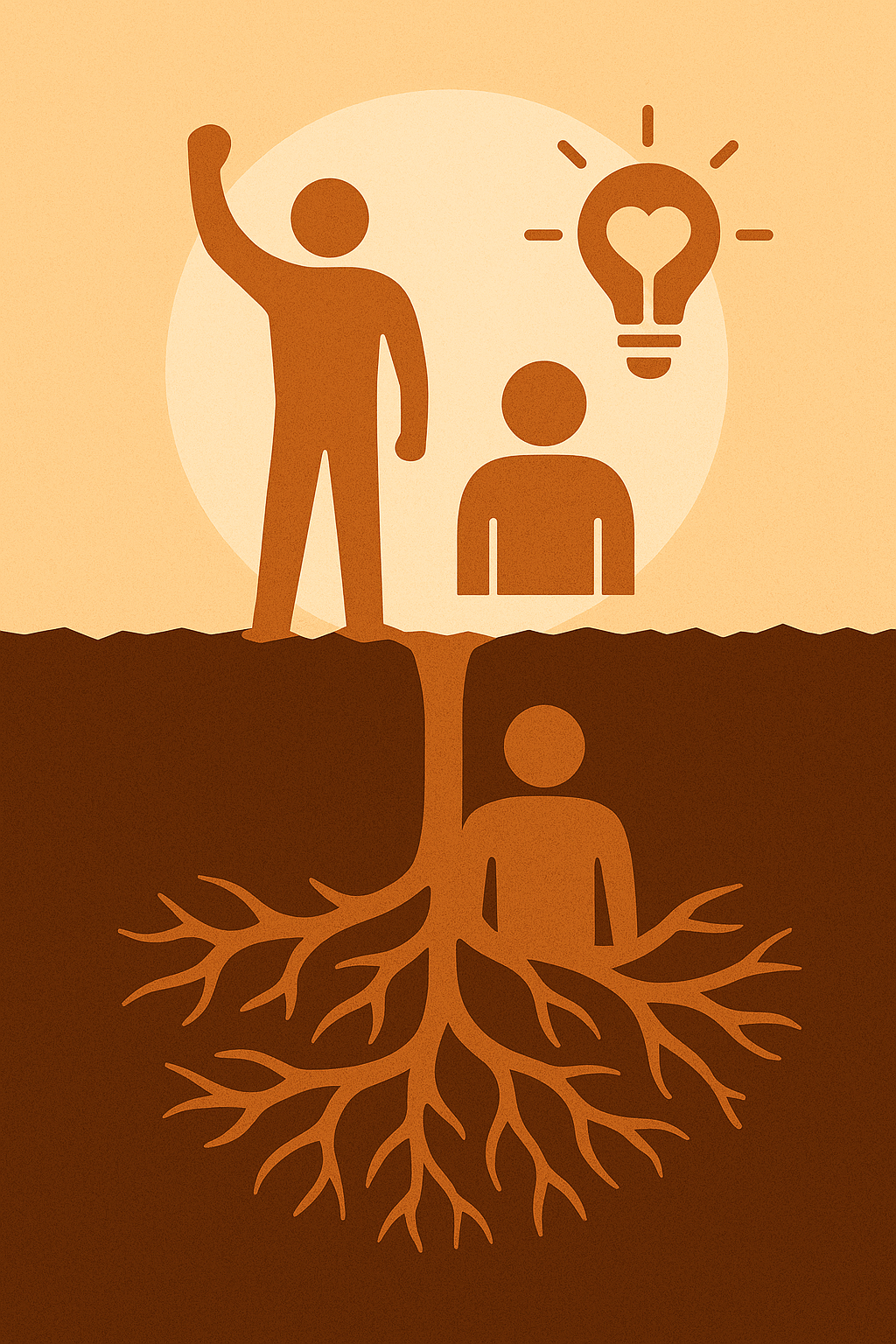
What you can’t do, I can teach you. Who you are, I can’t teach you.
Humanity as the key to potential
I was hired with no experience, no preparation, no cover letter. Not because I had the best credentials, but because someone was willing to look beyond my resume. Someone who was curious about who I am, what makes me tick, and what I could contribute. Someone who prioritized humanity.
And yes, it was my first job. But it also marked the beginning of a journey in which I grew, learned, failed, and rose again. Because someone believed in me. Not based on a job description, but based on a conversation. A human conversation.—
Applying for a job can be different
What if we made application processes a bit more human? What if we asked the question more often: “Who are you?” instead of just: “What can you do?” What if we didn’t just see candidates as people filling vacancies, but as people with a story and potential?
Humanity in the application process isn’t a weakness. It’s a strength. And perhaps even the key to loyal, engaged employees who are not only good at their jobs but also a true fit for your organization.
Because what someone can’t do, you can learn. But who someone is—that’s the foundation on which everything rests.